

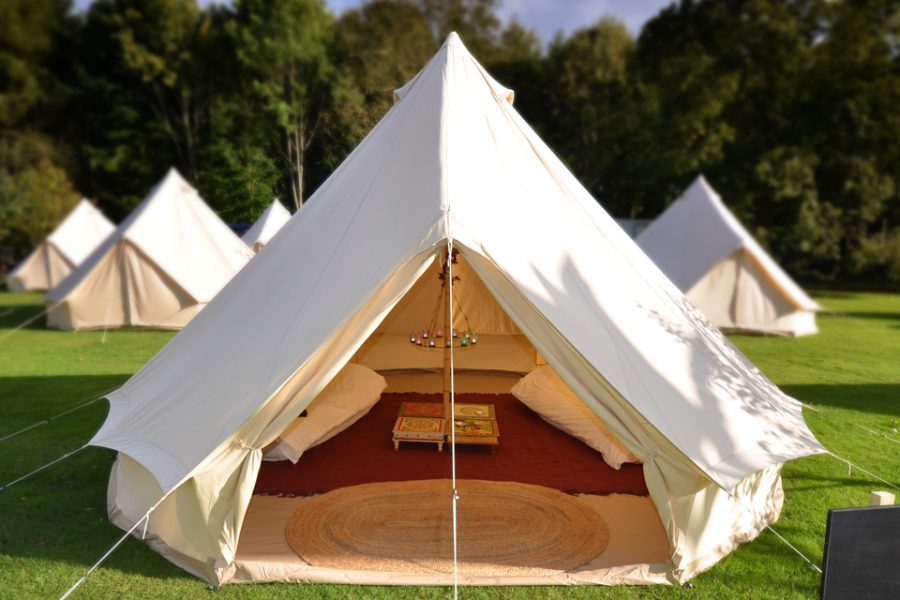
Tent for Camping depends on various factors such as the number of people, weather conditions, season, and personal preferences. A crucial part of any camping adventure is having the right gear, and at the top of that list is a reliable tent for camping. Choosing the best tent can make or break your outdoor experience.
Why a Quality Tent for Camping Matters
In the outdoors, your tent serves as your home away from home. It offers seclusion, protection from the weather, and a spot to unwind after a long day of sightseeing. This is why it’s imperative to spend money on a high-quality tent when camping:
- Weather Protection: A quality tent will keep the sun, wind, and rain off of you. To endure inclement weather, look for tents with strong structure and waterproof coatings.
- Comfort: A roomy and well-ventilated tent makes camping more enjoyable by giving you ample space for sleeping, storing goods, and comfortable movement.
- Durability: A tent with superior materials and craftsmanship will endure numerous camping excursions, providing excellent value for your money.
Types of Tents for Camping
Choose a tent for your camping trip based on what best meets your needs. These are a few popular kinds of tents:
- Backpacking Tents: These tents are ideal for hikers and backpackers who must carry their stuff over long distances because they are lightweight and compact. Usually, they can hold one or two persons.
- Family Tents: Suitable for larger gatherings, these tents provide several rooms and additional space. Despite being bigger and heavier, they offer plenty of room for sleeping and recreation.
- Dome Tents: Known for their solidity and simplicity of setup, dome tents are appropriate for the majority of camping excursions. They have decent headroom and are available in several sizes.
- Cabin Tents: With their vertical walls, these tents offer the most comfort and interior space. They are perfect for long stays and vehicle camping.
- Pop-Up Tents: Well-known for their rapid and simple setup, are ideal for first-time campers and fast excursions. They might not be as robust as other kinds, though.
- Tents for Four Seasons: These tents are appropriate for high-altitude excursions and winter camping since they are made to resist harsh weather. Compared to three-season tents, they are more durable and heavier.
Key Features to Look for in a Tent for Camping
To choose the best tent for camping, consider the following features:
- Capacity: Ascertain the number of individuals who will be utilizing the tent and select a size that provides adequate room for each person and their belongings. For extra comfort, it’s always a good idea to opt with a tent that has a somewhat higher capacity.
- Weight: A lightweight tent is essential when trekking. Weight is less of a concern while vehicle camping, but you still want a tent that’s easy to carry and put up.
- Weather Resistance: To withstand a range of weather conditions, look for tents with sealed seams, waterproof coatings, and durable frames. To keep rain out, you need a rainfly.
- Ventilation: Enough ventilation keeps the tent’s interior comfortable and avoids dampness. Mesh vents and glass are crucial components to take into account.
- Ease of Setup: Select a tent that is simple to up and dismantle. You can save time and aggravation by using pop-up tents, especially ones with color-coded poles and simple designs.
- Storage: Concealed storage pockets, gear lofts, and vestibules in tents contribute to an ordered camping environment and extra room for your stuff.
- Durability: Robust zippers and high-quality materials and construction, including ripstop nylon or polyester, guarantee that your tent can resist abrasions.
- Footprint: You may prolong the life of your tent by using a groundsheet or footprint to shield the floor from moisture and wear and tear.
Tips for Tent Care and Maintenance
To ensure your tent for camping lasts for many adventures, follow these care and maintenance tips:
- Proper Setup: Make sure your tent is always set up properly and away from any sharp things that can scratch the floor. For further security, use a groundsheet or footprint.
- Clean Frequently: Shake off any debris and wipe down the inside and outside of your tent with a damp towel after every trip. Steer clear of strong chemicals.
- Store Dry: To avoid mold and mildew, make sure your tent is totally dry before storing it. It is best kept loosely packed in a ventilated bag and kept in a cold, dry location.
- Repair Promptly: Take care of any damage, including rips or damaged zippers. For small repairs, most tents come with a repair kit.
- Steer Clear of Extended Sun Exposure: Over time, UV radiation can deteriorate tent materials. Pitch your tent in a shaded area whenever possible.
Conclusion
An essential first step in organizing a good outdoor experience is selecting the ideal tent for camping. You can guarantee a comfortable and pleasurable camping trip by taking into account the kind of camping you’ll be doing, the features you require, and the tent’s quality. Investing in a high-quality tent can give you a dependable place to stay for many camping trips, regardless of experience level.