
For centuries, Traditional Desert Tents have been shelters for nomadic tribes and desert dwellers. Renowned for their design and function, these tents have stood the test of time, providing shelter from harsh weather conditions while reflecting the rich cultural heritage of desert communities. Whether you’re a history buff, an outdoor adventurer, or someone looking for an authentic desert experience, understanding the significance of traditional desert tents will give you a deeper appreciation for the craftsmanship and culture.
The Historical Significance of Traditional Desert Tents
Traditional desert tents are an integral part of the nomadic lifestyle. For centuries, Bedouins, Berbers, Tuaregs, and other desert communities relied on these portable shelters as they traveled across the vast desert landscape. These stores were not only a necessity for survival but also a symbol of identity that reflected the crafts and cultural practices of each community.
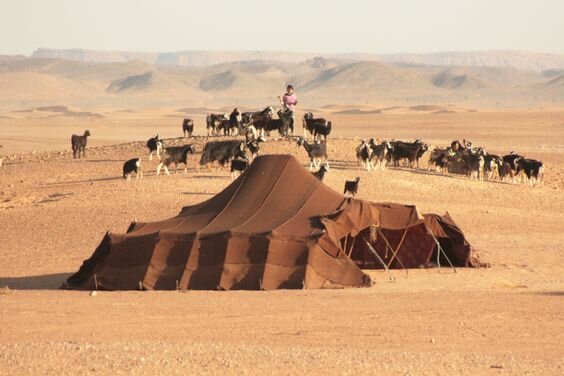
A Bedouin tent, also known as “Beit al-Shaar” (house of hair), is a classic example of a traditional tent in the desert. Made from woven goat hair, these tents are known for their ability to adapt to changes in temperature, providing warmth on cold desert nights and shade on scorching days. Tent design has evolved over generations and has been passed down as an essential skill in the community.
Materials Used in Traditional Desert Tents
Traditional desert tents are made from locally sourced natural materials that are perfect for the harsh desert environment. The materials used in these tents are selected for their durability, flexibility, and ability to control temperature.
Goat Hair: The most common material for traditional Bedouin tents is goat hair. Goat hair is naturally waterproof and expands when wet, helping to protect the tent from rain. When dry, it shrinks, allowing air circulation, vital in the desert heat.
Camel Hair: Another material used in desert tents is camel hair, prized for its insulating properties. It helps retain heat during cold nights and provides a natural barrier against sand and wind.
Wool: Wool is often woven into the fabric of desert tents to provide additional insulation. Wool is light and breathable, making it an excellent material for maintaining a comfortable temperature inside the tent.
Palm Leaves and Wooden Poles: In some desert areas, palm leaves are woven to form the walls or covers of traditional tents. Wooden posts from desert oases or nearby areas provide the necessary structural support.
The use of these materials highlights the ingenuity of desert communities, who depend on their immediate environment to create sustainable shelters.
Design and Structure of Traditional Desert Tents
The structure of traditional desert tents is designed with practicality in mind, allowing for ease of transportation and assembly. The tents are usually rectangular or oval in shape, with a central area used for gathering and sleeping.
Poles and Stakes: Wooden poles form the structure of the tent, while ropes and stakes secure it to the ground. The posts are arranged in a way that provides stability while allowing for maximum interior space.
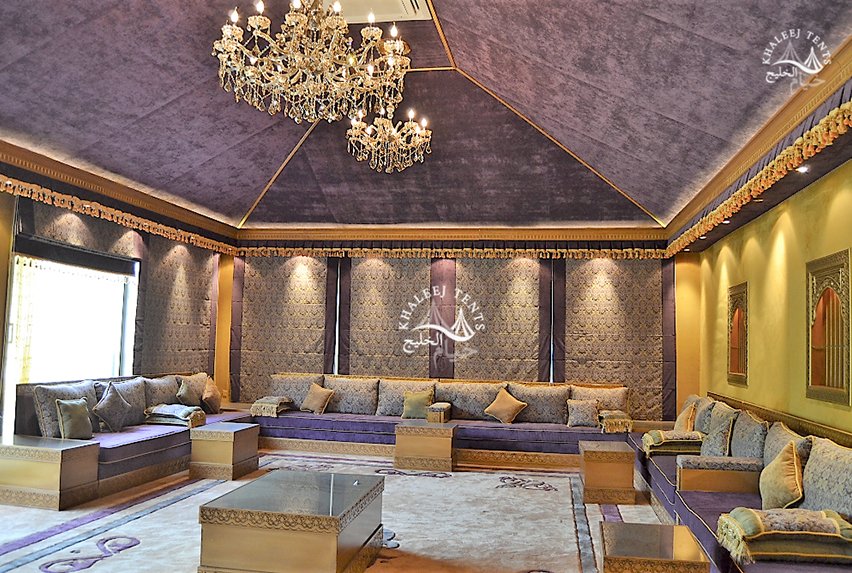
Tent divisions: Traditional tents are often divided into sections for different purposes, such as cooking, sleeping, and storage. A large central area, known as the “Majlis”, serves as a social and entertainment space for guests.
Ventilation: One of the most notable features of traditional desert tents is the ability to control the temperature. The woven fabric allows air to pass through the tent, keeping you cool throughout the day. At night, the tightly woven material provides insulation and traps heat inside the tent.
The modular design of these tents allows them to expand or contract as needed, making them suitable for both small families and large gatherings.
Cultural Significance of Traditional Desert Tents
In addition to their functional use, traditional desert tents have deep cultural meaning. For nomadic tribes, a tent is more than just shelter. It represents a way of life that revolves around family, hospitality and a deep connection to the land.
Symbols of identity: The designs and materials of traditional stores often reflect the identity of a clan or family. For example, patterns woven into fabric can symbolize historical events, family lineage, or tribal affiliation.
Hospitality: In desert cultures, hospitality is a cornerstone of social life and the tent plays a central role in this tradition. Guests are welcomed into the tent with open arms and the majlis serves as a center of social interaction, where food, drink and stories are shared.
Passing Down of Craftsmanship: Building traditional tents in the desert is a skill passed down from generation to generation and often taught in families. Women play an important role in weaving fabrics for the tents, while men are responsible for setting up and maintaining the structures. This division of labor illustrates the communal nature of life in the desert.
Modern Applications of Traditional Desert Tent
Although traditional desert tents were originally designed for the nomadic lifestyle, they have found new applications in modern times. These tents are becoming increasingly popular for cultural festivals, glamping (glamorous camping), and desert tourism. Their timeless design and ability to provide comfort in extreme conditions make them ideal for a variety of outdoor activities.
Cultural Festivals: Many cultural festivals, particularly in the Middle East and North Africa, use traditional desert tents as part of their setup. These tents offer a glimpse into the region’s rich heritage while providing a comfortable place for visitors to relax and enjoy the festivities.
Glamping: Glamping has become a global phenomenon and traditional desert tents have been adapted for this purpose. With modern amenities like bedding, lighting, and climate control, these tents offer a luxury camping experience that allows guests to connect with nature without sacrificing comfort.
Desert Tourism: Desert tourism has become a major industry in countries such as Morocco, the United Arab Emirates and Jordan. Traditional desert camps, complete with authentic Bedouin tents, offer tourists an immersive experience of desert life. Visitors can sleep under the stars, enjoy traditional cuisine and learn about the history and culture of the area.
The Environmental Impact of Traditional Desert Tent
Traditional desert tents are a great example of sustainable design. The materials used for its construction are biodegradable and of local origin, reducing the environmental impact. Additionally, the store design promotes energy efficiency by naturally regulating temperature, eliminating the need for artificial heating or cooling systems.
Biodegradable Materials: Goat hair, wool and palm leaves biodegradable materials. That returned to the soil once the tent reaches the end of its useful life. This is in stark contrast to modern synthetic tents. Which are often made from non-recyclable materials.
Minimal Energy Use: The natural insulation provided by traditional tent materials reduces the need for external energy sources. By taking advantage of the natural properties of these materials, desert dwellers can live comfortably without relying on electricity or fuel-based heating and cooling systems.
The sustainable design of traditional desert tents supports the growing global movement towards eco-friendly living, making them an attractive option for those looking to reduce their environmental impact.
Conclusion
Traditional Desert Tents are not the only means of shelter. They are a testament to human ingenuity, resilience and cultural heritage. From the Bedouin tribes of the Arabian Peninsula to the Berbers of North Africa. These tents have provided comfort and protection in some of the most hostile environments on the planet. Their timeless design, sustainable materials and cultural significance continue to make them relevant. Whether for cultural events, tourism or eco-friendly living.