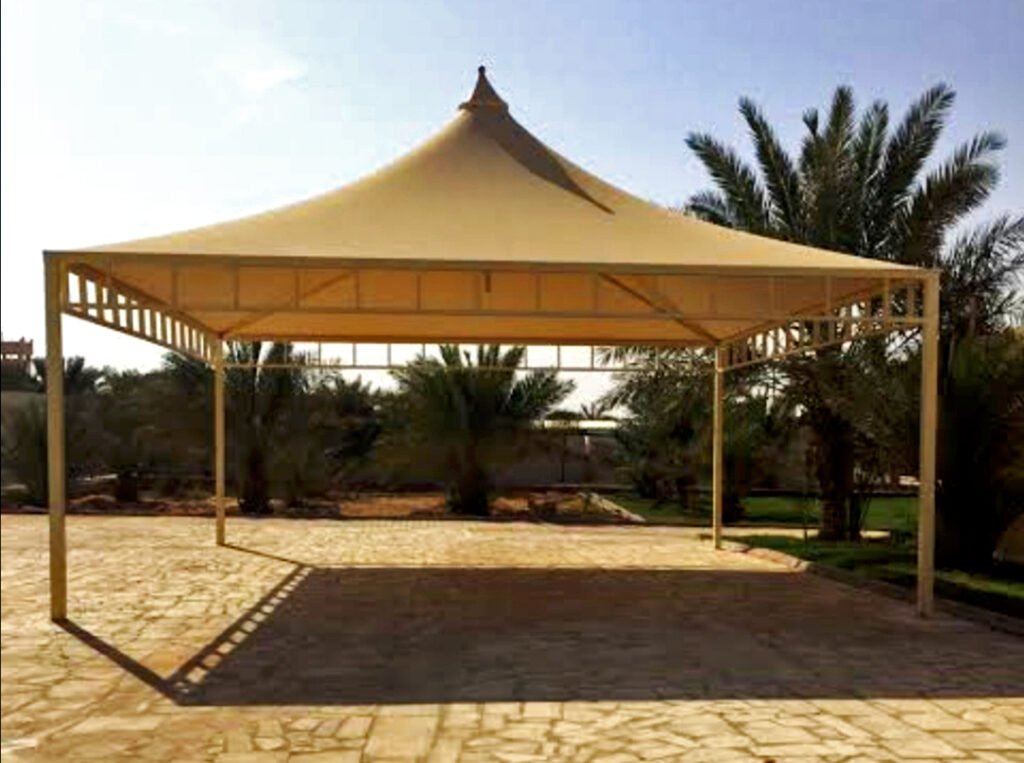


Investing now in the right Car Parking Shade materials can save you money in the long run by reducing vehicle maintenance costs and extending the life of both your car and the shade itself. Whether you prioritize durability, cost, or aesthetics, there is a perfect material for your parking shed needs. However, the effectiveness and durability of your parking shed largely depends on the materials used. With a variety of options available, choosing the best car parking shade materials can difficult.
Importance of Car Parking Shade Materials Selection
Car parking shade materials plays an important role in determining the longevity, strength and safety features of the structure. The right material can protect your vehicle from UV rays, rain, wind and other environmental factors while improving the overall appearance of your property. Therefore, understanding the properties of different materials is key to making an informed decision.
Common Car Parking Shade Materials
Here’s a breakdown of the most commonly used materials for car parking shades, along with their pros and cons:
High-Density Polyethylene (HDPE) Fabric
HDPE fabric is a popular choice as a car parking shade materials due to its durability and UV protection capabilities.
- Benefits:
- UV Protection: HDPE fabric blocks up to 95% of harmful UV rays, protecting your vehicle from sun damage.
- Durability: This material is resistant to rot, mildew, and cracking, making it a long-lasting option.
- Breathable: HDPE allows air to circulate, preventing heat buildup under the shade, keeping your car cooler.
- Variety of Colors: Available in a variety of colors, HDPE fabric can match the aesthetics of your property while providing the necessary protection.
- Drawbacks:
- Not Fully Waterproof: While HDPE offers some rain resistance, it is not completely waterproof, which can be a drawback in areas with heavy rain.
- Maintenance: Although durable, HDPE fabric may require occasional cleaning to remove dirt and debris.
Polycarbonate Sheets
Polycarbonate sheets are known for their strength and transparency, making them an excellent choice for car parking shade materials.
Advantages:
High impact resistance: Polycarbonate sheets are virtually unbreakable and provide strong protection against hail, falling branches and other potential hazards.
UV Protection: These films block harmful UV rays, preventing damage to the paint and interior of your vehicle
Transparency: Polycarbonate allows light to pass through, reducing the need for additional lighting in the shade.
Weather resistance: Polycarbonate sheets are resistant to extreme weather conditions, such as rain, snow and heat.
Drawbacks:
Higher Cost: Polycarbonate sheets are more expensive than fabric options, which may not fit everyone’s budget.
Risk of scratching: Although it is durable, polycarbonate can be scratched more easily than other materials, which can affect its appearance over time.
PVC coated fabric
PVC coated fabric is another widely used Car parking shade materials as it offers a good balance between durability and aesthetic appeal.
Benefits:
Waterproof: The PVC-coated fabric is highly waterproof, making it ideal for areas with frequent rain.
UV resistance: This material provides excellent protection against UV rays, protecting your vehicle from sun damage.
Durability: PVC fabric is resistant to tears, abrasions and extreme weather conditions, ensuring long-lasting performance.
Customization: Available in a variety of colors and designs, PVC coated fabric can be customized to fit the style of your property.
Disadvantages:
Less breathable: PVC fabric is less breathable than HDPE, which can lead to a hotter environment under the shade.
Heavy Weight: PVC coated fabric is heavier than other materials, which may require a sturdy frame to support it.
Metal Roofing
Metal roofs are a strong and durable option for parking sheds, especially in areas prone to extreme weather conditions.
Advantages:
Durability: Metal roofs are incredibly durable, able to withstand heavy rain, wind, and even snow.
Low maintenance: Once installed, metal roofs require minimal maintenance, making them a cost-effective long-term option.
Fire Resistance: Metal roofs are fire resistant, providing an additional layer of safety.
Customization: Metal roofs can be painted or coated in a variety of colors to match the design of your property.
Drawbacks:
Heat Retention: A metal roof can retain heat, causing the area underneath to become hot, which may not be ideal in hot climates.
Noise: Rain or hail can create noise when it hits a metal roof, which can be a concern for some homeowners.
High initial cost: Metal roofs can be more expensive to install than other materials, although it is worth it in terms of durability and longevity.
Factors to Consider When Choosing Car Parking Shade Materials
When selecting the best car parking shade materials, several factors should be taken into account:
Climate and Weather Conditions
The local climate plays an important role in determining the best material for your parking shed. For example, if you live in an area with a lot of sunlight, UV-resistant materials such as HDPE fabric or polycarbonate sheets are ideal. Conversely, if your area experiences a lot of rain, waterproof materials such as PVC-coated fabric or metal roofing would be more suitable.
Budget
Materials vary in cost, so it’s important to choose one that fits your budget without compromising quality. Although materials like polycarbonate and metal roofs may have a higher initial cost, their durability can lead to long-term savings. On the other hand, HDPE fabric offers an affordable solution with excellent UV protection.
Aesthetic Appeal
The appearance of your parking shade can affect the overall look of your property. Parking shade materials, such as PVC-coated fabric and polycarbonate sheets, come in a variety of colors and designs, allowing you to choose the exterior of your home. Metal roofs can also be customized, although they tend to offer a more industrial look.
Maintenance Requirements
Some materials require more maintenance than others. For example, HDPE fabric may require regular cleaning to maintain its appearance, while metal roofing and polycarbonate sheets require relatively little maintenance. When choosing materials, consider how much time and effort you are willing to put into maintaining your parking shed.
Environmental Impact
If sustainability is important to you, consider the environmental impact of the materials you choose. HDPE and PVC fabrics can often be recycled, while metal roofs are durable and have a long lifespan, reducing the need for frequent replacements.
Installation process
Ease of installation may also influence your decision. Some materials, such as HDPE fabric, are relatively easy to install and may be suitable for DIY projects. In contrast, metal roofs typically require professional installation due to their weight and the need for a sturdy structure.
Conclusion: Making the Right Choice
Choosing the best parking shade materials for your home involves balancing your budget, climate needs, aesthetic preferences, and maintainability. Each material offers unique benefits and the right choice depends on your specific needs.
- For hot climates: If you live in a hot, sunny area, HDPE fabric or polycarbonate sheets may be the best choice due to their excellent UV protection and heat resistance.
- For rainy areas: In areas with a lot of rain, PVC coated metal or fabric roofs will provide superior waterproofing and durability.
- For Durability: If you are looking for a long-lasting solution with minimal maintenance, it may be worth investing in metal roofing or polycarbonate sheets.
- For budget-friendly options: HDPE fabric offers a cost-effective solution with excellent UV protection, making it ideal for those on a budget.
The best car parking shade materials to suit your needs will depend on a variety of factors, including climate, budget, and aesthetic preferences. By carefully considering these elements, you will be able to choose a material that will not only protect your vehicle, but also improve the value and appearance of your property.