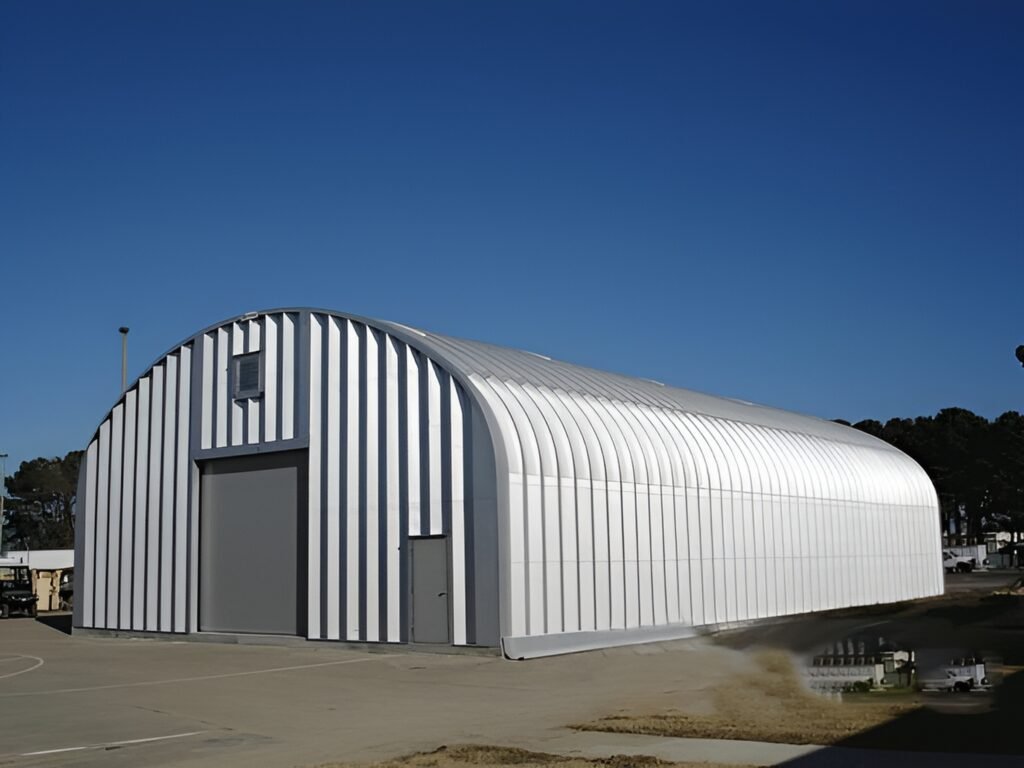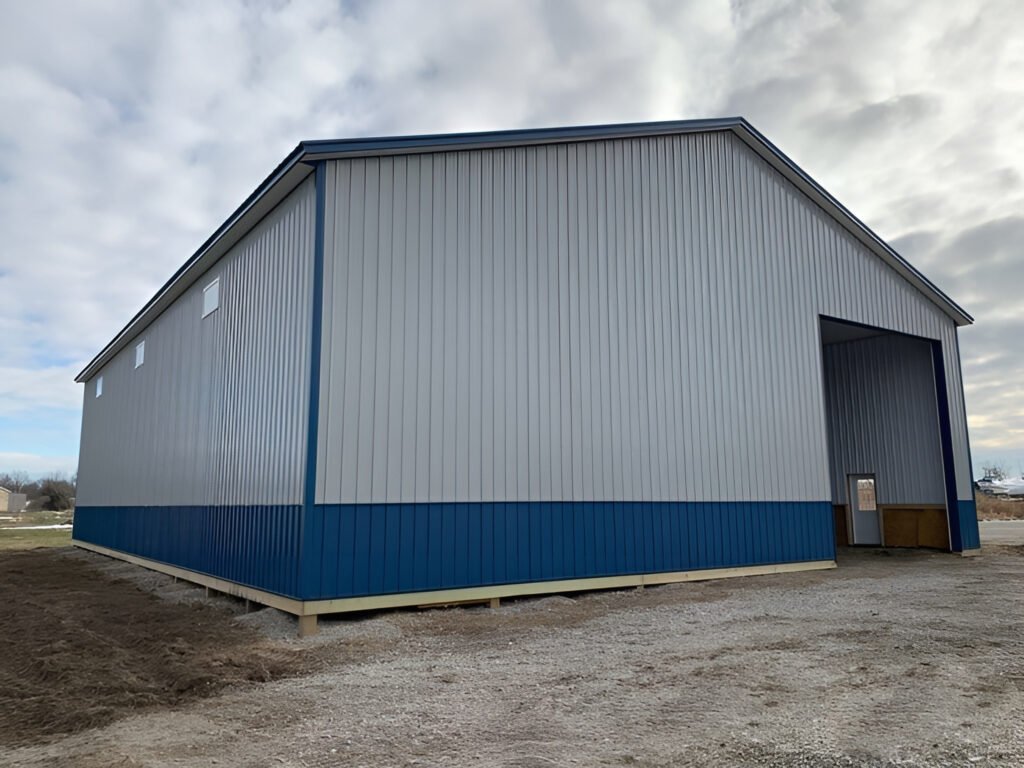

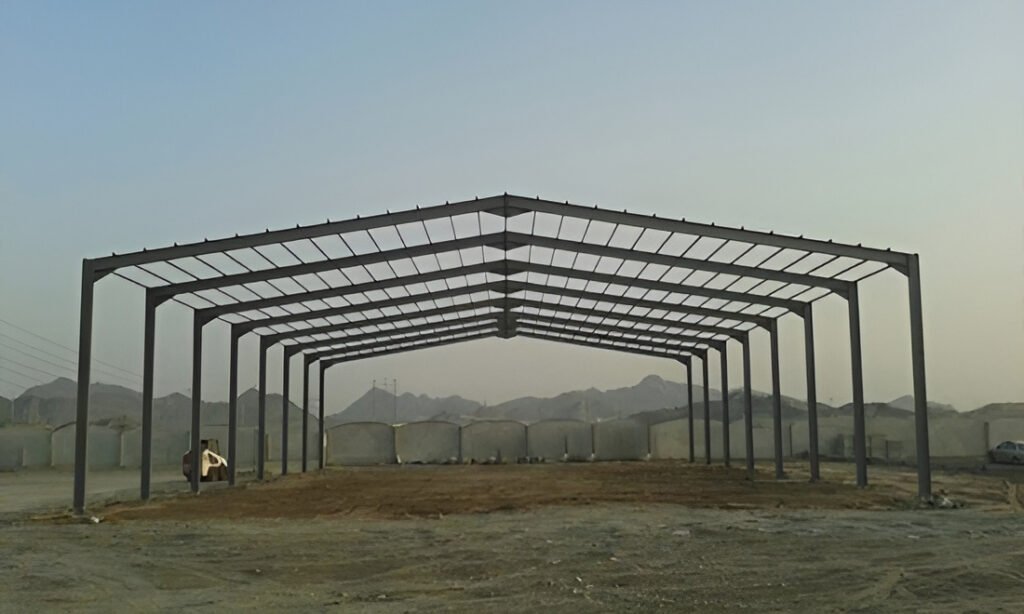
An often overlooked aspect that can significantly increase workplace efficiency in warehouses is the use of Warehouse Shade Structures. These structures provide more than just shelter. They create an environment that promotes productivity, safety and operational efficiency. In this comprehensive guide, how warehouse shade structures can improve workplace efficiency and why they are an essential investment for any warehouse operation.
Warehouse Shade Structures Enhanced Worker Comfort and Productivity
Employee comfort directly affects their productivity. Shaded warehouse environments are often subject to extreme temperatures, especially in harsh climates. Warehouse Shade Structures play an important role in regulating the temperature within these spaces, creating a more comfortable work environment.
- Temperature Control: When it’s hot, the inside of the warehouse can become unbearably hot, causing heat stress in workers. Shade structures help reduce overall temperature by blocking direct sunlight and providing ventilation. This cooling effect reduces the risk of heat-related illnesses, ensuring workers stay comfortable and focused on their tasks.
- Reduced Fatigue: Excessive heat can cause fatigue, reduce workers’ energy levels and concentration. By maintaining a cool environment, shade structures help workers stay alert and efficient during their shifts, leading to greater productivity and fewer errors.
- Improved Morale: When employees feel comfortable and cared for their job satisfaction increases. Providing a cool, shaded work environment shows that the employer values the well-being of its staff, which can boost morale and reduce turnover rates.
Protection of Goods and Equipment
Warehouses store valuable goods and equipment that are susceptible to damage from extreme temperatures, sunlight, and other environmental factors. Warehouse shade structures provide a layer of protection that ensures the integrity of stored goods and machinery.
- Preventing Heat Damage: Many products, especially those made of plastic, rubber, or other heat-sensitive materials, can warp, melt, or degrade when exposed to high temperatures. Shade structures keep these products cool, preventing damage and reducing the need for costly replacements.
- Protecting Equipment: Warehouse machinery, such as forklifts and conveyors, can suffer from overheating or other temperature-related problems. Warehouse Shade structures help maintain a constant temperature, ensuring equipment runs smoothly and efficiently without the risk of heat-induced breakdowns.
- Extended Shelf Life: Some products have specific storage requirements, including temperature control, to maintain their quality and shelf life. Warehouse Shade structures can help create an environment that meets these needs, ensuring products remain in optimal condition until they are needed.
Increased Operational Efficiency Warehouse Shade Structures
Warehouse Shade structures contribute to the overall efficiency of warehouse operations by optimizing the use of space and streamlining processes.
- Maximized Use of Space: Warehouse shade structures can be strategically placed inside the barn or in outdoor areas to create additional usable space. For example, shed-type loading docks allow the storage and handling of goods outside of the central warehouse, freeing up interior space for other important tasks. This maximization of space leads to a more organized and efficient workflow.
- Faster Loading and Unloading: Warehouse shade structures over loading and unloading areas protect workers and goods from the elements, allowing for faster, more efficient handling. Workers can move goods without the need for additional safety measures, such as covering products during rain, speeding up the process and reducing delays.
- Streamlined Workflow: By providing a comfortable, shaded environment, shade structures allow workers to perform their tasks more efficiently. Whether moving equipment, operating machinery, or managing inventory, better working conditions help optimize workflow, resulting in faster response times and greater productivity.
Improved Safety and Reduced Accidents
Security is a top priority in any warehouse environment. Warehouse shade structures play an important role in improving safety by reducing risks associated with exposure to extreme weather conditions.
- Protection from Sun Exposure: Prolonged exposure to direct sunlight can cause sunburn, heat stroke, and other health problems in workers. Shade structures provide protection, reduce the risk of these conditions and ensure employees can work safely for longer periods of time.
- Less slippery surfaces: Rain and other precipitation can create slippery surfaces in and around the warehouse, causing accidents and injuries. Shade structures in hallways, loading docks, and other critical areas help keep these surfaces dry, reducing the chance of slips and falls.
- Reduced Glare: Prolonged exposure to direct sunlight can cause sunburn, heat stroke, and other health problems in workers. Shade structures provide protection, reduce the risk of these conditions and ensure employees can work safely for longer periods of time.
- Less slippery surfaces: Rain and other precipitation can create slippery surfaces in and around the warehouse, causing accidents and injuries. Shade structures in hallways, loading docks, and other critical areas help keep these surfaces dry, reducing the chance of slips and falls.
Energy Efficiency and Cost Savings
Warehouse Shade structures can also contribute to energy efficiency and cost savings in a warehouse, further increasing workplace efficiency.
- Reduced cooling costs: By blocking direct sunlight and reducing the overall temperature inside the warehouse, shade structures reduce the need for air conditioning. This provides significant energy savings, especially during the summer months when cooling costs can be high.
- Lower Maintenance Costs: Warehouse shade structures protect the warehouse building and equipment from environmental damage, reducing wear and tear. This protection leads to lower maintenance costs and extends the useful life of both the building and the equipment.
- • Sustainability: Investments in shade structures are consistent with sustainable business practices. By reducing energy consumption and extending the life of equipment and equipment, shade structures contribute to a more environmentally friendly operation, which can also improve a company’s reputation and attract environmentally conscious customer.
Versatility and Customization
Warehouse shed structures are highly versatile and can be customized to meet the specific needs of your operation, further increasing efficiency.
- Custom Design: Warehouse shade structures can be designed to fit any warehouse layout, whether you need coverage for docks, outdoor storage areas or aisles. This flexibility ensures that you can optimize the location and design of structures to maximize their effectiveness.
- Material Selection: Depending on your barn’s climate and your specific needs, you can choose from a variety of materials for your shade structure, including fabric, metal, or polycarbonate. Each material offers different advantages in terms of durability, UV protection and cost, allowing you to choose the best option for your needs.
- Scalability: Warehouse shade structures can easily be expanded or reduced to accommodate changes in your warehouse operations. Whether you’re expanding your storage capacity or restructuring your workflow, shade structures can be adjusted or added to meet your changing needs.
Environmental Benefits
In addition to direct workplace efficiency benefits, shade structures offer environmental benefits that contribute to more sustainable operations.
- Reduced carbon footprint: By reducing the need for artificial cooling, shade structures help reduce the carbon footprint of your warehouse. This reduction in energy consumption not only saves money but is also in line with environmental sustainability goals.
- Natural Ventilation: Warehouse shade structures designed to promote natural ventilation, reducing the need for mechanical ventilation systems. This not only saves energy but also creates a healthier work environment by improving air quality.
- Rainwater Harvesting: In some cases, shade structures designed into the barn to collect rainwater, which can then be used for irrigation or other non-potable water needs within the barn. This reduces water consumption and contributes to more sustainable water management practices.
Conclusion
Warehouse shade structures are a worthwhile investment and offer a wide range of benefits, all of which help improve workplace efficiency. By increasing worker comfort, protecting equipment and equipment, increasing operational efficiency, improving safety, and providing energy and cost savings, these structures play an important role in optimizing warehouse operations.