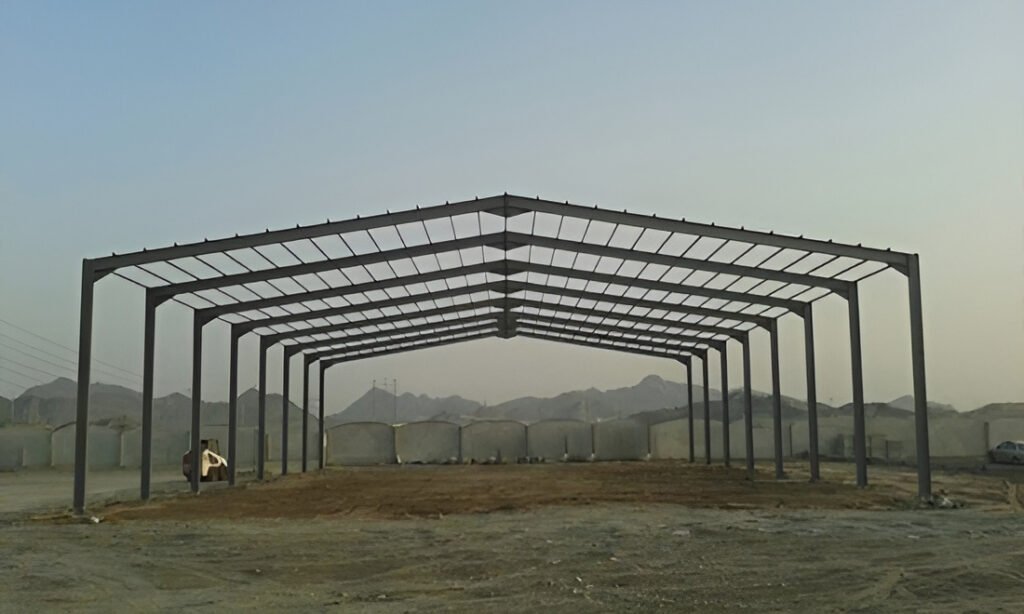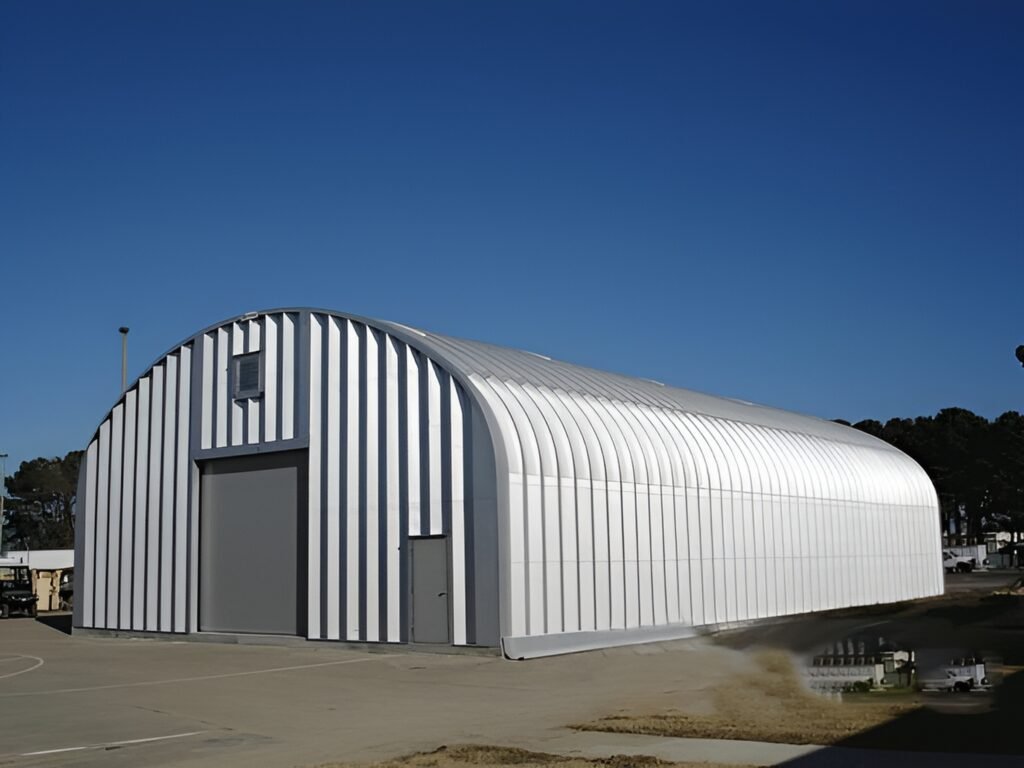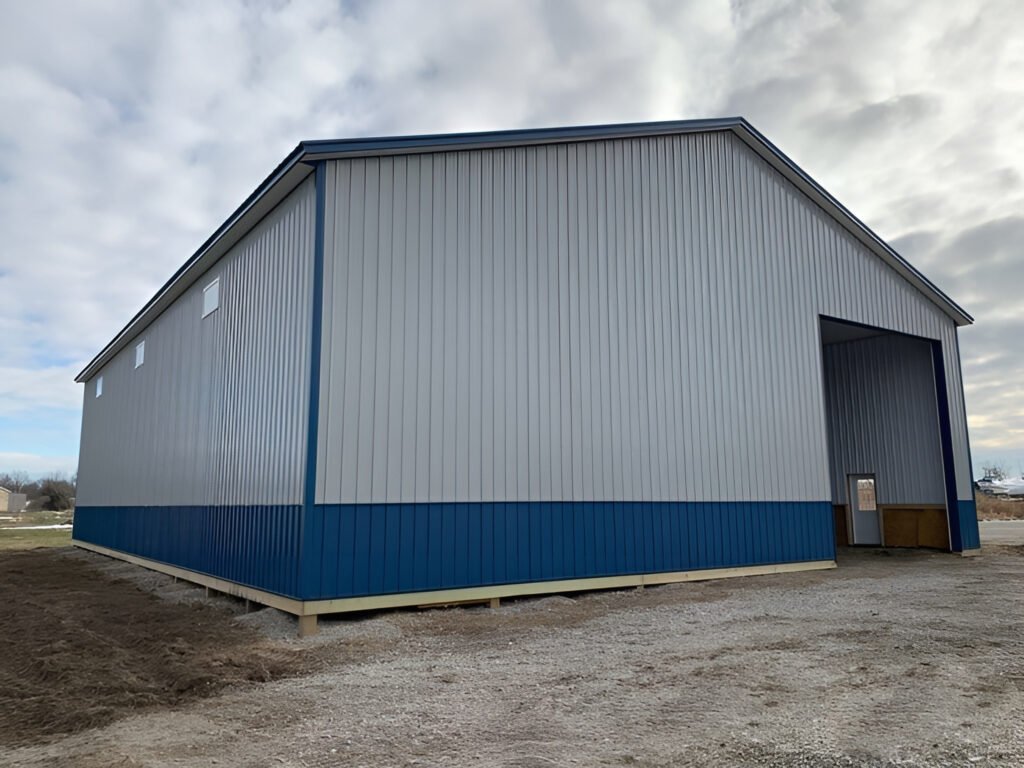


Warehouse Construction Costs in Dubai, Sharjah, and Jebel Ali Warehouse Construction Costs in Dubai Sharjah and Jebel Ali. Certain locations preferred for the Warehouse Construction, such as Dubai, Sharjah, and Jebel Ali, which are the commercial hubs of the United Arab Emirates. Due to their strategic locations, cutting-edge infrastructure, and business-friendly atmosphere, these cities draw both domestic and foreign investors. To make educated decisions, it is crucial to comprehend the costs associated with establishing an enterprise in these areas. In this article, we will examine the key factors that affect the warehouse construction costs of stores in Dubai, Sharjah, and Jebel Ali, helping you to effectively manage your project’s expenses.
-
Land Costs
The amount of land is a crucial consideration when warehouse construction, particularly in prominent locations like Dubai, Sharjah, and Jebel Ali. This is a summary of the land costs in these areas:
- Dubai: Land prices in Dubai, which is well-known for its luxury real estate, can differ significantly depending on the location. Locations like Dubai South, which are near important logistics centers, fetch higher prices. Industrial land costs, on average, between AED 300 and AED 600 per square foot.
- Sharjah: Although cheaper than Dubai, land prices in Sharjah are still high. Warehouse construction is common in industrial zones like Al Saja’a Industrial Oasis, where land costs normally range from AED 150 to AED 300 per square foot.
- Jebel Ali: Jebel Ali, one of the biggest free zones in the world, is an important location for warehousing. Given its strategic significance, land here is expensive, with prices per square foot varying from AED 400 to AED 800, depending on how close it is to the port and free zone.
-
Construction Materials and Labor Costs
The expense of labor and building supplies is another significant factor in warehouse construction. The state of the local market, import taxes, and the availability of skilled labor all affect the cost of these inputs.
- Materials: A sizable amount of the building supplies used in the UAE are imported. Global market trends have the potential to affect the price of steel, cement, and other materials. In 2024, a ton of steel will cost about AED 2,500, while a ton of cement will cost about AED 250. Costs may go up if you use premium materials for things like insulated panels or walls that resist fire.
- Labor: A sizable portion of the UAE’s workforce is drawn from the Middle East and South Asia. Although labor costs for warehouse construction are typically competitive, they can change based on the project’s complexity. Skilled laborers usually get paid between AED 50 and AED 100 per hour, but engineering and project management services can be much more expensive.
-
Design and Architectural Fees
Warehouse’s overall cost and functionality greatly influenced by its design. Hiring skilled engineers and architects is crucial to maximizing space use and guaranteeing adherence to regional codes.
- Architectural Design: Depending on their experience and the intricacy of the project, hiring architects can come at a different cost. Typically, architectural fees account for between 5% and 10% of the overall cost of construction.
- Engineering Services: For the construction of warehouses, structural and MEP (mechanical, electrical, and plumbing) engineering services are essential. These services may raise the project’s overall cost by an additional 5% to 10%. Costs may increase for specialized designs, like those for temperature-controlled warehouses.
-
Regulatory and Approval Costs
Getting permissions and approvals from different authorities just one of the regulatory obstacles that must be overcome when Warehouse Construction in Dubai, Sharjah, or Jebel Ali.
- Permits and Approvals: Getting a building permit requires paying fees and can take a long time. For instance, in Dubai, authorization is required from the Dubai Civil Defense, the Dubai Municipality, and other pertinent agencies. The cost of a permit might vary from AED 50,000 to AED 200,000, contingent upon the project’s size and extent.
- Costs of Compliance: Adherence to environmental, health, and safety laws is required. This could entail paying more for waste disposal facilities, energy-efficient designs, and fire safety systems.
-
Infrastructure and Utility Costs
The availability and cost of infrastructure and utilities critical considerations in warehouse construction. This includes access to roads, electricity, water, and telecommunications.
- Infrastructure Development: Developers may occasionally have to pay extra for infrastructure upgrades like drainage systems or road access, which raises the overall cost. The location and the state of the infrastructure determine how much these improvements will improve.
- Utility Connections: There are one-time connection fees as well as continuous operating costs associated with connecting your warehouse to necessary utilities like gas, water, and electricity. For instance, the cost of connecting to Dubai’s electrical grid could range from AED 50,000 to AED 150,000, depending on the amount of power needed.
-
Customization and Special Requirements
Customization based on the kind of items housed can have a considerable impact on expenses; warehouses are not one-size-fits-all. Here are a few instances:
- Cold Storage Higher expenditures will be incurred if your warehouse requires cold storage or refrigeration since additional insulation, cooling systems, and energy supplies are required. Constructing a cold storage facility might cost between thirty and fifty percent more than building a typical warehouse.
- Automated Systems: Using automated technologies, such robots, conveyor belts, and automated storage and retrieval systems (ASRS), can increase productivity but come at a greater initial cost. This might raise the cost of building by 20% to 40%, depending on the automation degree.
- Fire Safety: For both compliance and safety, fire safety measures, such as sprinklers, smoke detectors, and fire-resistant materials, are essential. The cost of building may increase by 5% to 15% in order to install these technologies.
-
Project Management and Contingency Costs
Effective project management is essential to keep construction on time and within budget. However, it also adds to the overall cost.
- Project Management: Employing a qualified project management group guarantees that the building process is efficient and stays within financial and schedule constraints. The normal range of project management costs is between 3% and 5% of the overall building cost.
- Contingency: It’s a good idea to account for unforeseen expenses that could come up during construction. It is customary to set aside 10% to 15% of the project’s total cost as a contingency reserve.
-
Location-Specific Considerations
Each of the three regions—Dubai, Sharjah, and Jebel Ali—has unique factors that can influence warehouse construction costs:
- Dubai: Dubai, a major international commercial center, provides a variety of sites for the development of warehouses, including free zones and industrial zones. But the price for land, licenses, and infrastructure is greater due to Dubai’s advantageous position.
- Sharjah: Known for its affordable prices and close proximity to Dubai, Sharjah is a desirable choice for companies trying to save expenses. Although labor and building supplies are often less expensive in Sharjah, the city nonetheless has excellent connections and infrastructure.
- Jebel Ali: This prominent free zone ideally situated for logistics and warehousing. Due to its close proximity to the Middle East’s largest port. Building a warehouse here comes at a premium because of the strategic location with higher land and regulatory costs.
-
Financing and Investment Returns
The final consideration is how to finance your warehouse construction and the potential return on investment (ROI).
- Financing Options: In the UAE, a lot of companies choose to use partnerships, bank loans, or developer finance as their source of funding. It’s important to compare interest rates and conditions from several lenders to get the greatest value. Because of the UAE’s robust financial industry, financing for the building of warehouses in Dubai, Sharjah, and Jebel Ali is generally possible.
- ROI Considerations: A warehouse construction costs influenced by a number of variables. Including location, tenant demand, and rental yields. Warehouse rentals may return between 8% and 12% in desirable neighborhoods. Like Jebel Ali and Dubai South making it a profitable investment.
Conclusion
When warehouse construction in Dubai, Sharjah, or Jebel Ali. Number of variables need to be carefully taken into account. while ranging from the cost of the land and the building materials for the regulations and financing choices. You can guarantee that your warehouse project finished on schedule. And within your allocated budget by comprehending these components and practicing good budgeting. This will provide a strong basis for your commercial operations in the United Arab Emirates.
These regions’ advantageous locations and strong infrastructure make them ideal. For both small-scale storage facilities and large-scale logistics centers. To get the most out of your investment, careful preparation. And professional advice are necessary due to the premium expenses attached to these advantages.
You can successfully manage the challenges of building warehouse in Dubai, Sharjah, and Jebel Ali. By taking into account each of these elements, assuring the success of your project in one of the world’s most active locations.