

When it comes to outdoor storage solutions, sheds play an important role in organizing and protecting your belongings. But did you know that there are countless types of sheds, each designed for specific purposes and made from different materials? In this guide, we’ll explore the different types of shades available, helping you make the best decision for your needs.
-
Wooden sheds
Classic and versatile wooden sheds are the most traditional and popular types of shed. They are valued for their natural aesthetic appeal and versatility. These sheds can be easily customized with paint, windows, and additional shelving. They are also resistant and can integrate perfectly into a garden or backyard.
Advantages:
- Highly customizable
- Aesthetic appeal
- Durable with proper maintenance
Disadvantages:
- Regular maintenance required to prevent rot and insect damage.
- May be more expensive than other materials.
Ideal for: Homeowners looking for a natural look and those who want their shed to match their home or garden.
-
Metal Sheds
Durable, low-maintenance metal sheds known for their durability and strength. They are usually made of galvanized steel or aluminum, which makes them resistant to rot, insects, and inclement weather. Metal sheds are often used to store heavy tools and equipment due to their sturdy construction.
Advantages:
- Low maintenance
- Highly durable and weather resistant
Disadvantages:
- Oxidation may occur if not treated properly.
- Less customizable and may not blend well with garden landscapes.
Ideal for: Those who need a strong, secure and durable storage solution for tools, machinery and other valuables.
-
Plastic Sheds
Inexpensive and easy to assemble, plastic shed made from high-density polyethylene (HDPE) or vinyl popular choices due to their affordability and ease of assembly. These curtains are lightweight, rust, rot, and UV resistant, making them a great choice for areas with extreme weather conditions.
Advantages:
- Low cost
- Easy to assemble and transport
- Resistant to rust, rot and insects.
Disadvantages:
- Less durable than wood and metal shed.
- Limited customization options
Ideal for: Budget-conscious buyers looking for a weather-resistant, low-maintenance shed for lightweight storage.
-
Vinyl-Clad Sheds
Combining strength with ease Vinyl-coated window treatments offer the strength of metal with the ease of plastic. These shed are basically metal sheds covered with a layer of vinyl, which provides additional protection against rust and the elements. They require little maintenance and available in a variety of colors and styles.
Advantages:
- Strong and durable
- Low maintenance
- Weather resistant
Disadvantages:
High initial cost
- Limited customization
Ideal for: Homeowners looking for a durable, low-maintenance shed that offers additional protection from the elements.
-
Resin Sheds
Modern, maintenance-free resin shed are a type of plastic shed made from high-quality resin, known for its strength and durability. These curtains are highly UV resistant so they will not fade or crack over time. They are also waterproof, making them a great option for areas with high humidity or frequent rain.
Advantages:
- Highly durable and weather resistant
- UV resistant
- Maintenance free
Disadvantages:
- May be more expensive than other plastic curtains.
- Limited customization options
Ideal for: People looking for a modern, durable, maintenance-free storage solution that can withstand harsh weather conditions.
-
Fabric Sheds
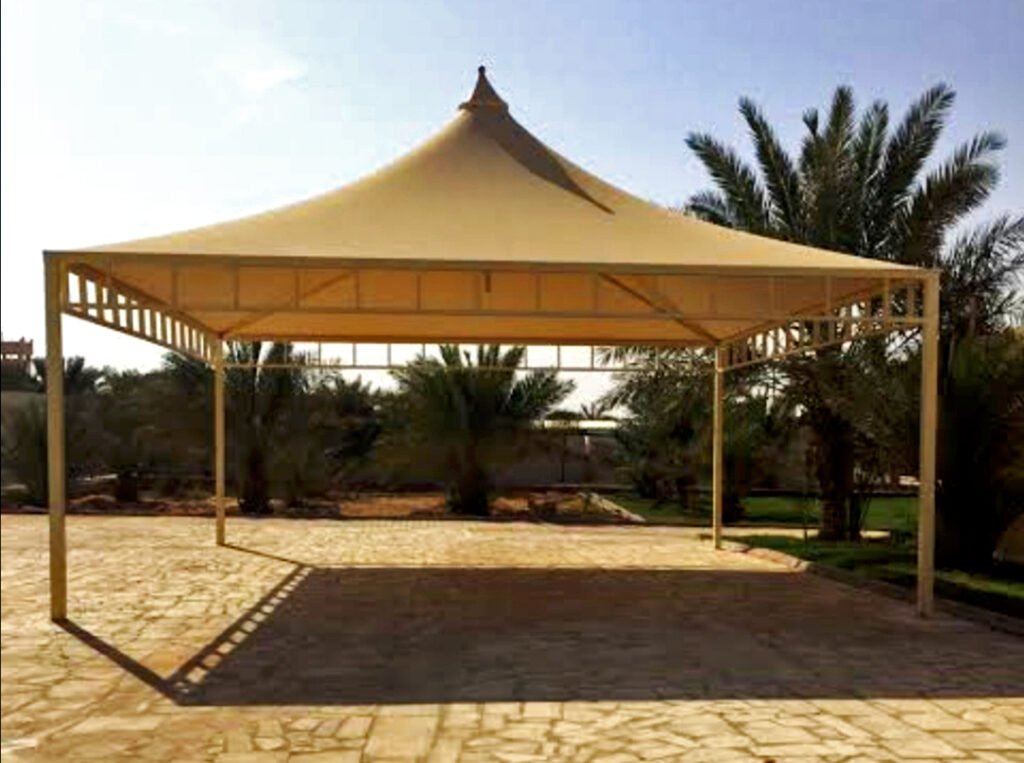
Temporary portable fabric sheds, also known as portable shed, are a more temporary storage solution. These sheds are made of a steel frame with a strong fabric, such as polyethylene. They are lightweight, easy to install, and can be easily moved from one location to another.
Advantages:
- Portable and easy to assemble
- Affordability
- Light
Disadvantages:
- They are not as durable as wood, metal or resin sheds.
Limited security
Ideal for: Temporary storage needs, such as covering a car or storing gardening equipment out of season.
-
Lean-To Shed
Practical and space-saving, lean-to shed are designed to lean on an existing structure, such as a house or garage. These sheds save space, making them ideal for small yards or areas where space is limited. Attached sheds are often used to store garden tools, bicycles or firewood.
Advantages:
- Space saving
- Easy to build.
- Can be attached to existing structures
Disadvantages:
- Limited storage capacity
- Low independent stability
Ideal for: Homeowners with limited space who need an efficient storage solution that can be attached to another structure.
-
Corner Sheds
Maximum Space Efficiency Corner sheds uniquely designed to fit in the corner of a patio or garden. These curtains perfect for taking advantage of otherwise unused space. Despite their compact size, corner sheds can offer plenty of storage space for garden tools, outdoor furniture or seasonal items.
Advantages:
- Space-saving design
- Aesthetic appeal
- Efficient use of garden space
Disadvantages:
- Limited storage capacity
- Customization limited.
Ideal for: Those with small gardens or patios who want to maximize storage space without sacrificing style.
-
Barn-Style Sheds
Spacious and rustic barn-style shed, also known as mansard sheds, feature a distinctive roof design that provides additional roof storage space. These sheds have a rustic look and often used on farms or large properties to store equipment, tools, and even livestock feed.
Advantages:
- High storage capacity
- Rustic and charming design
- Provides additional headroom.
Disadvantages:
- Needs more space.
- More complex construction
Ideal for: Rural properties, farms or large backyards where additional storage space needed and a rustic aesthetic desired.
-
Bike Shed
Specialized and compact bike shed specially designed for storing bikes. These sheds are typically smaller and more compact, making them ideal for urban environments where space is at a premium. Bike sheds provide protection against theft and weather conditions, keeping bikes safe and dry.
Advantages:
- Compact design
- Provides security for bicycles.
- Easy access
Disadvantages:
- Limited to storage of bicycles and related equipment.
- Not suitable for large items.
Ideal for: Cyclists and urbanites looking for a secure, space-saving solution for storing bikes.
-
Greenhouse Shed
Eco-friendly, dual-purpose greenhouse shed combine the functionality of a shed with the benefits of a greenhouse. These structures designed to store gardening tools and equipment, as well as provide space for growing plants. Greenhouses usually have transparent or semi-transparent walls to allow sunlight to reach the plants.
Advantages:
- Combines storage with plant growth capabilities.
- Environmentally friendly
- Provides a controlled environment for plants.
Disadvantages:
- More maintenance required.
- May be more expensive due to dual functionality.
Ideal for: Gardeners who want to grow plants year-round while also needing space to store gardening tools and supplies.
Conclusion
Understanding the different types of shed available is essential when choosing the most suitable one for your needs. Whether you need a simple storage solution for garden tools or a customized personal retreat, there is a type of shed to suit your needs. Consider your specific needs, your budget, and the space available in your yard before making a decision. With the right shed, you can improve the functionality and aesthetics of your outdoor space, providing practical storage and a touch of style.